
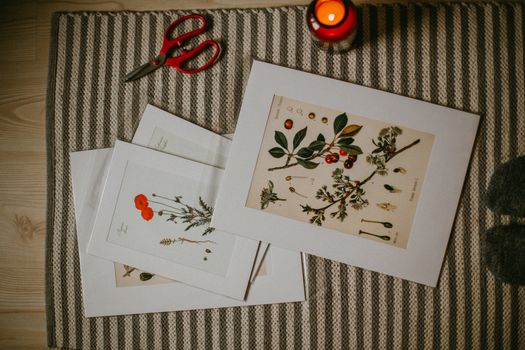
Vintage botanical prints have been a staple of interior design for centuries, bringing the beauty of the natural world indoors in a way that feels both refined and inviting. Whether you are drawn to delicate wildflowers, exotic fruits, or detailed engravings of leaves and stems, these prints offer a timeless appeal that suits almost any room. Their muted colours and intricate lines provide a gentle contrast to modern furniture, making them a favourite choice for homeowners looking to add a touch of history and elegance to their walls.
From free public domain downloads to carefully preserved antique plates, the options for sourcing these prints are surprisingly varied. This article explores the enduring charm of vintage botanical art, the best places to find it, and practical tips for displaying it in your home.
The Appeal of Vintage Botanical Art
Botanical illustrations have a long and rich history. They were originally created for scientific study and reference, documenting plant species with painstaking accuracy. This combination of art and science gives vintage botanical prints a unique character that mass-produced wall art often lacks. The soft, earthy tones typical of aged paper and hand-coloured engravings bring warmth to a space, while the precise lines and symmetry offer a sense of order and calm.
One of the reasons these prints remain popular is their versatility. A single framed botanical can serve as a subtle accent in a minimalist room, while a gallery wall of several prints can create a dramatic, old-world feel in a study or hallway. They also complement other natural textures such as wood, linen, and stone, making them an excellent choice for homes with a rustic, Scandinavian, or traditional aesthetic.
Where to Find Vintage Botanical Prints
Thanks to the internet, finding authentic vintage or vintage-style botanical prints is easier than ever. We have gathered several reliable sources, ranging from free online archives to specialist retailers.
Free and Public Domain Sources
For those on a budget, or for anyone who enjoys printing and framing their own artwork, Pictureboxblue offers a collection of free vintage botanical prints. These images are in the public domain, meaning they are copyright-free and can be downloaded and printed without restriction. This is an excellent way to build a collection without spending a lot of money, though you will need your own printing and framing setup.
Specialist Print Retailers
If you prefer a ready-to-hang option, many reputable retailers offer high-quality reproductions. RHS Prints, run by the Royal Horticultural Society, sells botanical prints from their archives. Their bestseller, 'Painted Iris and Summer Snowdrop' by James Bolton, is a fine example of the detailed botanical art available. Similarly, the British Museum Shop Online sells customisable wall art prints from its collection, featuring works by renowned botanical artists such as Maria Sibylla Merian, Mary Delany, and even the Japanese master Katsushika Hokusai.
Musee Home offers vintage botanical prints starting from around $20.51, while Etsy UK is a vibrant marketplace where you can find framed sets, such as a set of three for £29.00, or individual vintage wildflower posters for £13.99. Prices vary widely depending on age, condition, and framing, so it pays to browse.
Antique and Specialist Dealers
For collectors seeking genuine antique prints, Lindisfarne Prints supplies original antique botanical prints featuring flowers, fruit, and trees. These are likely to be older, more expensive pieces, but they offer a historical authenticity that reproductions cannot match. Trove Prints also sells vintage art prints with botanical subjects, including bird illustrations such as 'Whip-poor-will' and 'Razor-billed Blackbird', which often appeal to those with a more natural-history focus.
An Instagram reel discovered during research shows old botanical plates from France dating back to the 1800s, suggesting that social media can be a useful place to find small dealers and vintage markets for these prints.
Choosing the Perfect Print for Your Space
When selecting a vintage botanical print, consider both the subject and the style. Do you want a single statement piece, or a series of small prints for a gallery wall? The colour palette is also important. Vintage prints tend to have muted greens, browns, and faded yellows, which blend well with neutral wall colours. If your room already features bold hues, look for prints with deeper, richer tones that can hold their own.
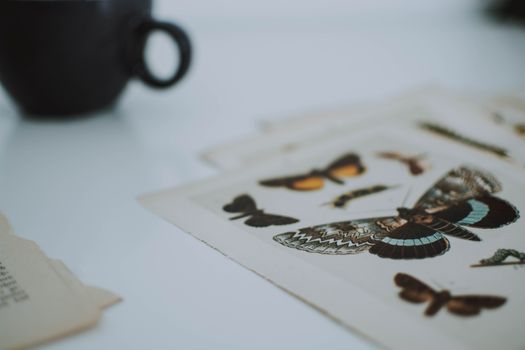
Another factor is the period or artistic tradition. For example, prints from the 1800s French plates have a distinct antique quality. Those by Maria Sibylla Merian, a 17th-century naturalist and artist, often include insects alongside plants, adding a lively, scientific touch. Meanwhile, Ink & Drop offers a modern take on classic vintage floral prints by incorporating contemporary patterns and typography, which might suit a more eclectic interior.
| Source | Type | Example |
|---|---|---|
| Pictureboxblue | Free public domain downloads | Copyright-free vintage prints |
| RHS Prints | Licensed reproductions | 'Painted Iris and Summer Snowdrop' by James Bolton |
| British Museum Shop | Customisable prints from collection | Works by Maria Sibylla Merian, Mary Delany, Hokusai |
| Musee Home | Vintage prints (starting $20.51) | Various botanical subjects |
| Etsy UK | Marketplace (new and vintage) | Framed set of 3 for £29.00, wildflower poster £13.99 |
| Lindisfarne Prints | Antique original prints | Flowers, fruit, trees |
| Ink & Drop | Modern twist on vintage floral | Incorporates contemporary patterns and typography |
| Trove Prints | Vintage art prints | 'Whip-poor-will', 'Razor-billed Blackbird' |
Styling Vintage Botanical Prints in Your Home
Once you have found the prints you love, the way you display them can enhance their charm. Here are a few ideas for incorporating vintage botanical prints into your decor:
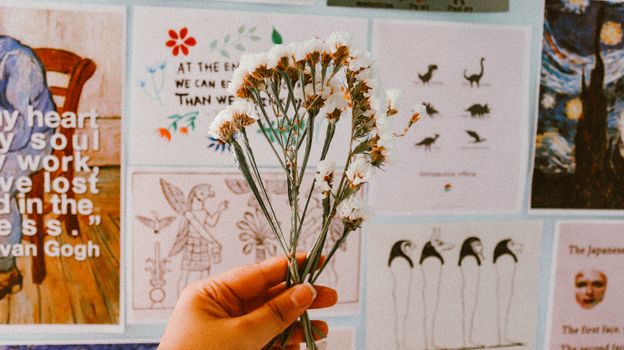
- Group them in a gallery wall. Mix different sizes and frame styles for an eclectic look. Try pairing a large botanical with smaller bird prints from Trove Prints or insect studies for variety.
- Use matching frames for a cohesive look. If you prefer a more formal arrangement, choose identical frames for a series of prints. This works especially well with the botanical plates from the British Museum or RHS Prints.
- Hang a single large print as a focal point. A botanical print with a strong composition, such as a fruit tree from Lindisfarne Prints, can stand alone above a sideboard or fireplace.
- Mix with other natural elements. Combine prints with dried flowers, potted plants, or wooden furniture to reinforce the botanical theme without overwhelming the room.
- Consider the room. A lighter, pastel-toned print suits a bedroom, while a bolder, darker engraving can add drama to a dining room or home office.
Remember that the condition of the print matters. If you buy a genuine antique, be prepared for some age-related wear – that is often part of its appeal. For a cleaner look, modern reproductions on high-quality paper offer the same aesthetic without the fragility.
Frequently Asked Questions
Are vintage botanical prints copyright-free?
Some are, but not all. Pictureboxblue offers prints that are in the public domain and copyright-free. However, prints sold by commercial retailers such as RHS Prints, the British Museum Shop, or Etsy sellers are typically licensed reproductions, and you should not assume you can copy or redistribute them without permission.
How do I tell if a vintage botanical print is genuine or a reproduction?
Genuine antique prints are usually on handmade paper with visible texture, and may have signs of age such as foxing (brown spots) or discolouration. Reproductions tend to be printed on smoother, brighter paper. If in doubt, ask the seller about the print's age and provenance; specialist dealers like Lindisfarne Prints will provide details.
What is the best way to frame a vintage botanical print?
Use acid-free matting and backing board to protect the print from yellowing over time. Choose a frame that complements the era of the print – a simple wooden or gilded frame works well for antique botanical illustrations. For a modern reproduction, a sleek black or white frame can create an eye-catching contrast.
Can I buy vintage botanical prints as ready-made wall art?
Yes. Many sellers, including Musee Home and Etsy UK, offer framed sets or prints that are ready to hang. Check the product description carefully, as some sellers sell the print only, while others include a frame. Prices and framing options vary, so compare before ordering.
Vintage botanical prints remain a beloved choice for adding natural beauty and historical depth to any room. Whether you choose a free download, a fine reproduction from a museum shop, or an original antique from a specialist dealer, these prints bring a timeless charm that never goes out of style. With careful selection and thoughtful display, you can create a wall display that feels both personal and enduring.
0 comments